
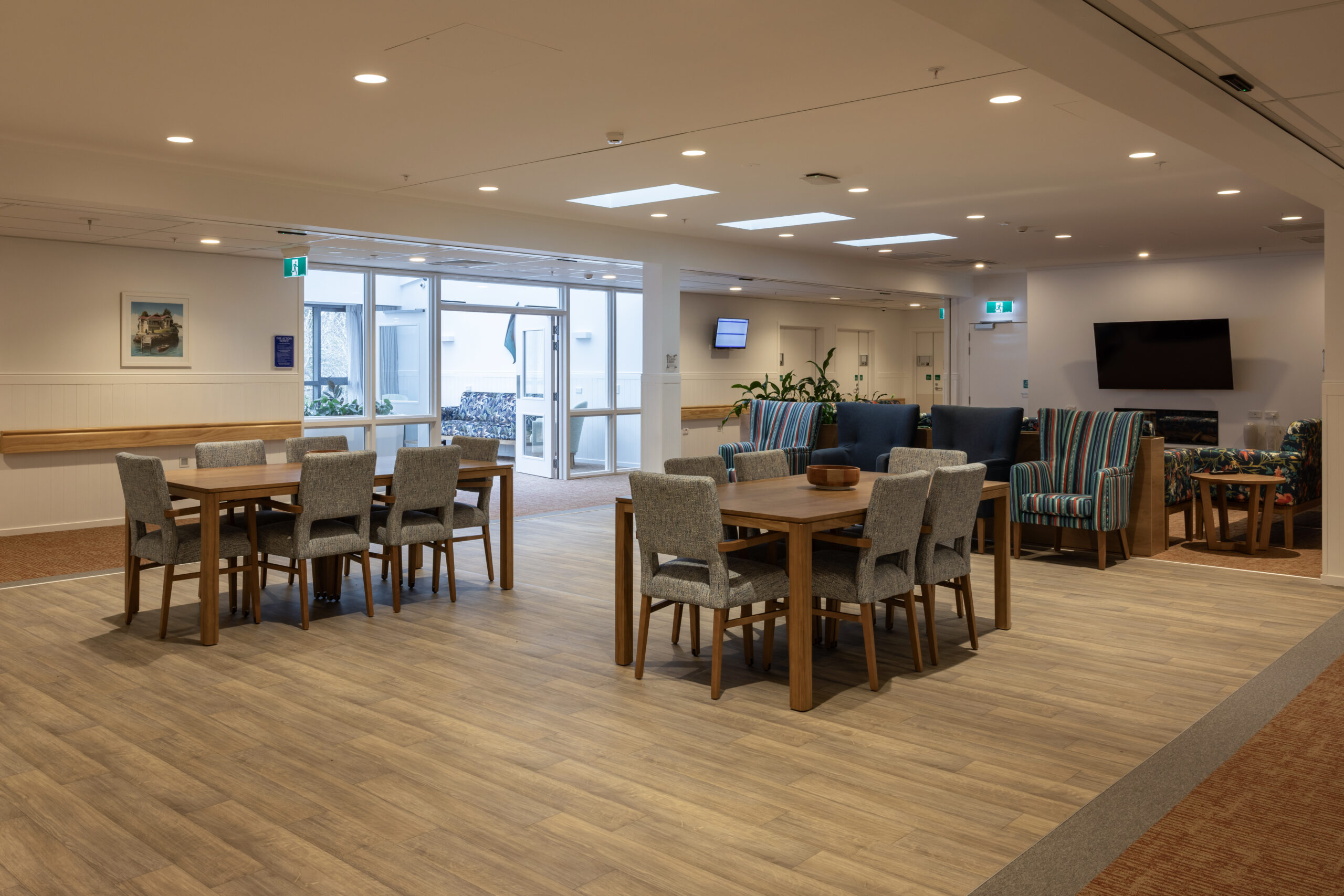
What Are the Best Fire Doors for Use in Aged Care Facilities?
Selecting the right fire doors for an aged care facility can feel overwhelming, particularly for providers navigating compliance, resident safety, and design expectations at the same time. While architects and fire engineers play a vital role, fire doors are not something that should be treated as a purely technical afterthought.
Fire doors are one of the most frequently used elements in an aged care environment. Residents interact with them daily, meaning they must balance life safety, ease of use, durability, and aesthetics. Getting this balance right is critical to both compliance and resident wellbeing.
Below are the key considerations when specifying fire doors for aged care facilities.
1. Functionality: Safety Comes First
While aesthetics are important, functionality is paramount. Fire doors must perform reliably under constant daily use, and small design decisions made early in a project can significantly impact long-term performance.
Common functional issues include:
-
Timber clashing or edge damage
-
Delamination over time
-
MDF jambs chipping easily
-
Steel stud wall systems flexing under the weight of fire doors
One of the best indicators of a functional fire door system is the manufacturer’s warranty. A robust warranty should be supported by:
-
Fire testing evidence
-
Cycle testing that replicates real-world use in aged care environments
High-cycle testing is especially important, as doors in aged care facilities are opened and closed far more frequently than in many other building types.
2. Ease of Use: Protecting Vulnerable Occupants
Ease of operation is essential in aged care settings, where residents may have limited strength, mobility, or coordination. Poorly specified fire doors can increase the risk of injury.
Key factors to consider include:
-
Hinges operating smoothly without binding
-
Adequate clearances between the door leaf, frame, and meeting stiles
-
Door closer pressures set correctly so doors self-close without being heavy or difficult to open
Fire doors must protect life without creating a barrier to everyday movement.
3. Aesthetics: Fire Doors as a Visible Design Element
Fire doors are highly visible and contribute significantly to the overall look and feel of an aged care facility. Common aesthetic options include:
-
Flush panel fire doors
-
Grooved or detailed door faces
-
Colonial or raised panel designs
However, any bespoke or decorative design must still be fire tested and compliant. For larger projects with custom requirements, project-specific fire testing can be an effective way to achieve both compliance and visual intent.
The key is balancing aesthetics with proven performance.
4. Clear Opening Requirements: Accessibility Matters
Clear opening sizes are sometimes overlooked but are critical in aged care facilities.
Key requirements include:
-
A minimum clear opening of 760mm for wheelchair and mobility access
-
Consideration for hospital bed movement where required
In some situations, unequal pair fire doors provide an effective solution—allowing everyday access through a wider leaf while enabling full access when both doors are opened.
5. Durability: Designed for Long-Term Use
Durability is non-negotiable in aged care environments. Fire doors must withstand years of constant use without failure.
Indicators of a durable fire door system include:
-
High-cycle testing results
-
Robust hinge and hardware performance
-
Proven resistance to wear at critical stress points
A fire door that performs well in testing is far more likely to perform reliably over its full lifecycle.
There Is No One-Size-Fits-All Solution
There is no universal fire door solution for aged care facilities. Every project has unique requirements, but careful consideration of functionality, ease of use, aesthetics, accessibility, and durability will significantly reduce risk and improve outcomes.
The Soteria Approach to Fire Doors in Aged Care
At Soteria Doors, we use a proprietary methodology to uncover your project’s key requirements and ensure that:
-
Compliance is built in from the outset
-
Fire doors perform safely and reliably
-
Design intent is respected
-
Long-term durability is achieved
If you’re planning an aged care project, we encourage you to speak with our team and experience the Soteria Methodology for yourself.
What Is Fire Door Compliance in New Zealand? Step-by-Step Guide
How do you calculate clear opening width of a fire door?
What is the best type of jamb to use on a fire door in a retirement village?
