Home / Learning Centre / Articles
Fire door compliance in New Zealand continues to evolve, and for architects, specifiers, fire engineers and construction teams, keeping up with how the Building Code documents are structured is an
The Lifecycle of a Fire Door: Why Durability Is a Sustainability Issue A durable fire door is a sustainability asset because it can remain compliant and serviceable for longer, reducing
Sustainability in construction is often associated with materials, certifications and operational efficiency. While these are important, one of the greatest opportunities to reduce waste occurs much earlier – during specification.
Sustainability in Fire Door Specification: What Architects Should Consider Before Choosing a Door System Sustainability in fire door specification is not just about choosing a product that sounds environmentally responsible.
When you request your fire door tags, our Infernoguard team will guide you through the required fire door declaration checklist. These documents must be completed before any tags can be
Many people ask whether a manufacturer can provide one test certificate for all the fire door systems they supply. The answer is no. No single fire door test certificate covers
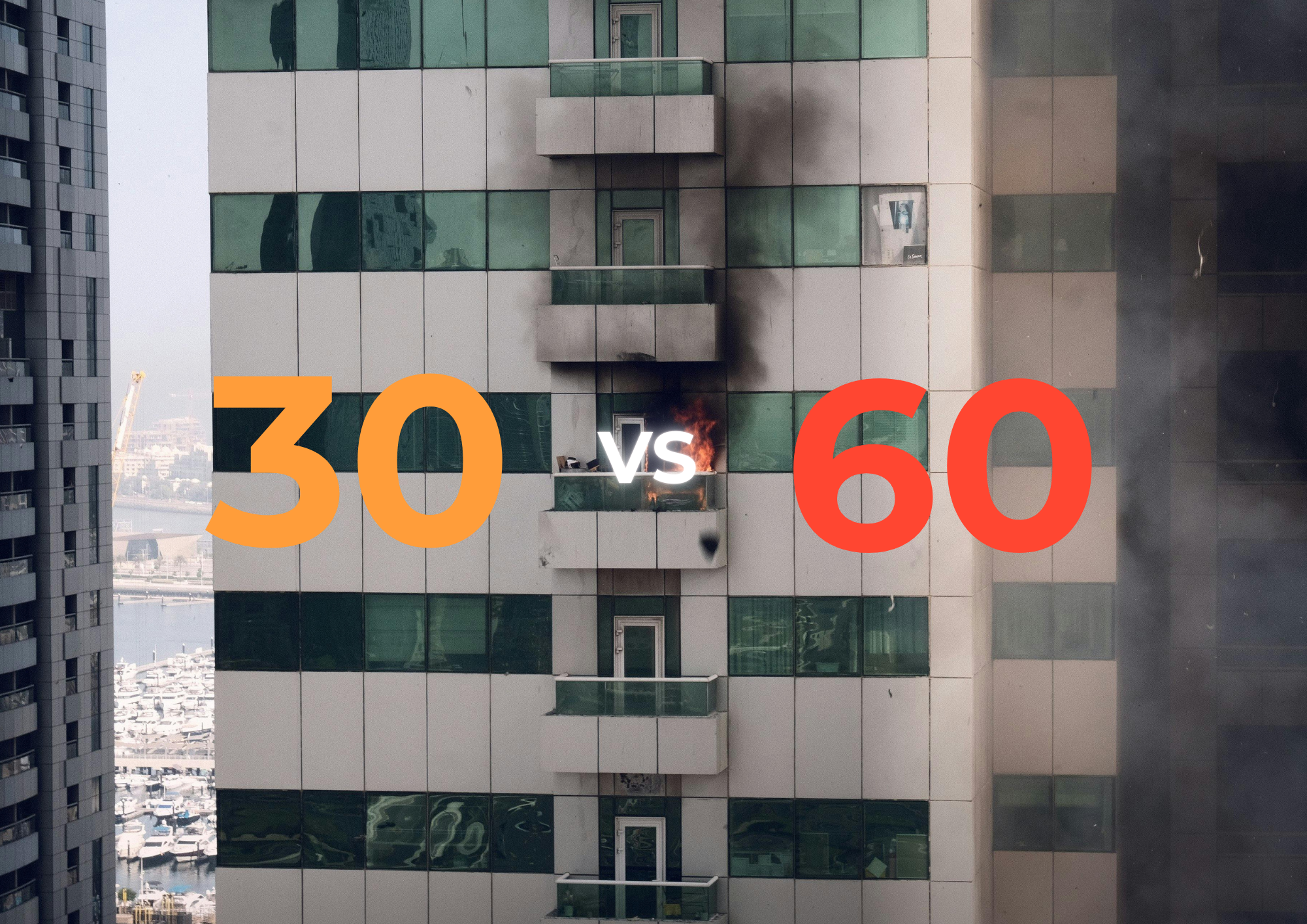
Understanding Fire Door Ratings in New Zealand The fire rating of a door in New Zealand depends on the fire cell and the wall rating where it will be installed,
When you look at a fire rated grille and a non-fire rated grille, they appear almost identical. However, their purpose – and their performance in an emergency—are completely different. One
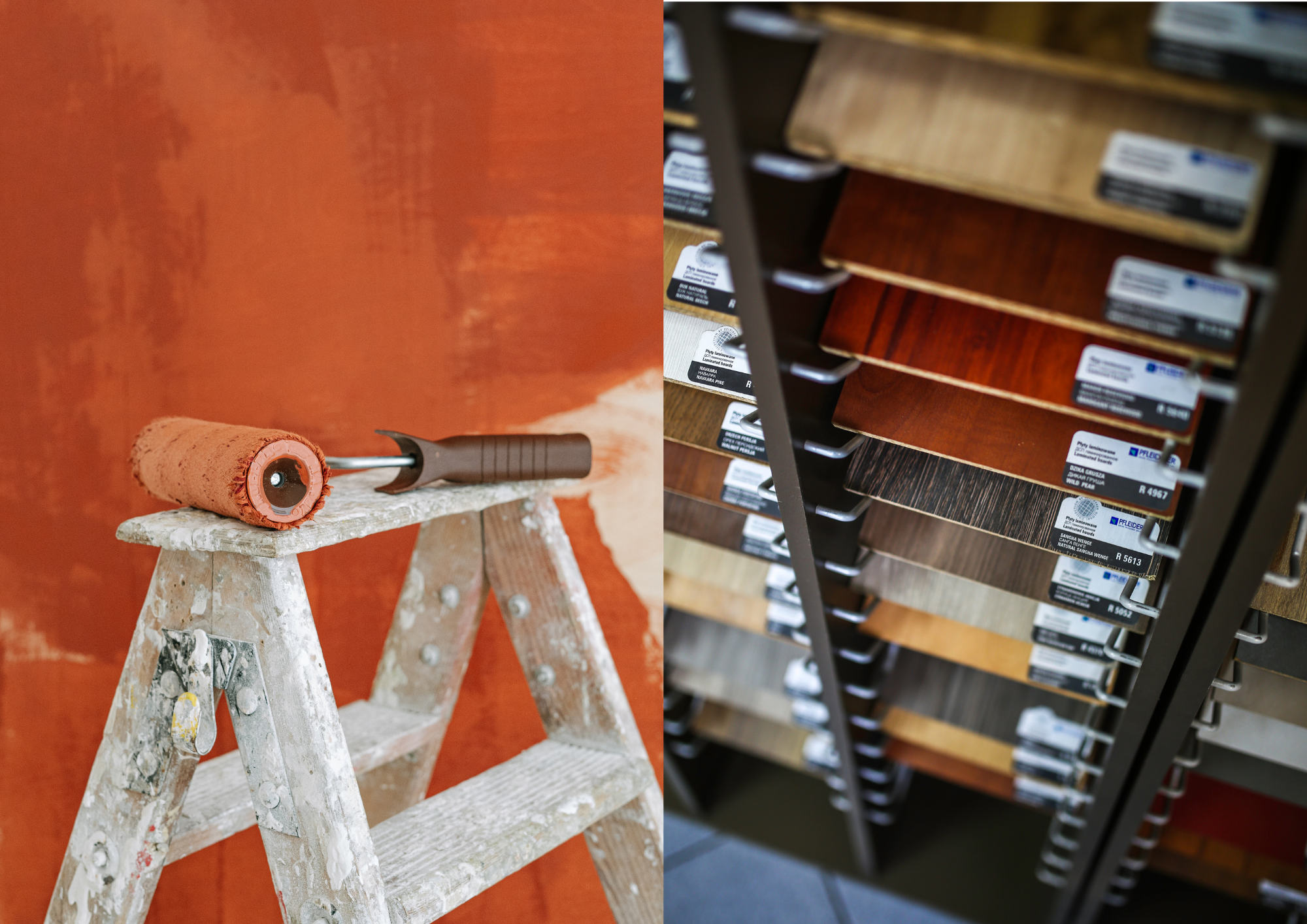
Introduction When specifying doors in commercial buildings, one of the most common decisions designers and builders face is choosing between paint quality doors and laminate doors. Each option offers unique
Certifying fire doors correctly can feel complex – while the regulatory standard is consistent across New Zealand, local councils may request different supporting documents. In this article we will walk
When choosing fire doors for your next project, one important decision is whether to go with New Zealand–made fire doors or imported fire doors. While imported options might look appealing
Masterspec is New Zealand’s standard system for building specifications. Suppliers can either appear as basic product listings or become a Masterspec Product Partner. Understanding the difference is important for manufacturers
Simple in Theory, Complex in Detail – A Practical Guide to Managing Door Details and Compliance Doors may seem straightforward – until you dive into the level of detail required
Understanding Exterior Fire Doors When specifying exterior fire doors, one of the most common points of confusion is the difference between sheltered and exposed exterior fire doors. While both provide
When choosing internal doors, a common question architects and builders ask is:“Are laminate doors more durable than veneer doors?” While laminate and veneer doors may look similar at first glance,
The terms fire doors and smoke doors are often used interchangeably, and to the untrained eye, they may look identical. However, they serve different purposes and are governed by distinct
This is a critical question for any installer or specifier working with fire-rated doorsets. Both mastic and PEF backing rod are required components of a compliant fire doorset system. Without
If you’re planning to install fire doors in a commercial or residential building in New Zealand, you may be wondering: Do I need a project-specific PS1 (Producer Statement – Design)
When it comes to fire-rated doors, particularly those rated for 60 minutes and designed for exterior use, it’s important to follow strict specifications to maintain safety and compliance. One common
How Does a Fire Door Self-Latch? A self-latching fire door is a critical component of passive fire protection in buildings. It is specifically designed to automatically close and latch shut
Fire doors are essential life safety systems in buildings across New Zealand. They help prevent the spread of fire and smoke, protect escape routes, and are a specified system under
Short answer: No.Just because a piece of hardware has been tested on one fire door system does not mean it is suitable for use on any fire door. Fire doors
A great question—and not one with a straightforward answer. Ultimately, the choice comes down to your design intent and the specific requirements of your project. To help guide your decision,
When it comes to safety in buildings, especially during a fire, the type of glass you use can make a critical difference. Fire-rated glass and standard glass may look similar,
No – not all fire doors are made from the same materials. Fire door construction varies depending on the type of fire door, its fire rating, installation location (interior or
Why Pay for Project Management on Fire Door Projects? You might be asking, “Why do I need to pay for project management? I just place my fire door order, and
Fire doors are a critical part of passive fire protection – but in New Zealand, non-compliance with fire door requirements is more common than you might think. In fact, fire
When it comes to internal doors, veneer and laminate are the two main finish options architects ask about, and while they can look similar, they’re quite different in what they’re
Are Deadbolts Allowed on Fire Doors in New Zealand? If you’re designing or specifying fire doors in New Zealand, you might wonder: are deadbolts allowed on fire doors? The short
Under the New Zealand Building Code and NZS 4520:2010, drop seals are not a mandatory requirement for a fire door to achieve compliance with fire safety standards. Their primary role