
What Could Go Wrong if You Install Fire Doors in Untested Wall Systems?
Installing a fire door in a wall system that hasn’t been tested and certified can result in a non-compliant door, putting lives, property, and your project at risk. Fire doors are designed and tested to work as part of a complete fire protection system, and installation into untested walls can seriously compromise their effectiveness. Here’s why proper installation is critical:
1. Compromised Fire Resistance
A fire door is part of a complete system, including the wall and door frame connection. Different wall types react differently in a fire, for example:
-
Timber stud walls with plasterboard linings
-
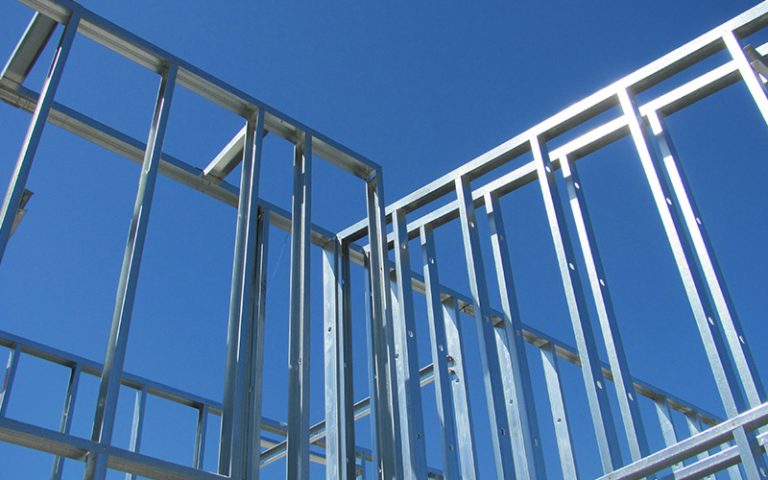
Steel stud walls with plasterboard linings
The connection details between the door and the wall are crucial to prevent the spread of fire and smoke. Using an untested wall can reduce the door’s fire resistance rating and increase risks during a fire.
2. Non-Compliance With Regulations
To meet building codes, standards, and council requirements, both the door and wall system must be tested and certified by an approved laboratory. Installing a fire door in an untested wall system can lead to:
-
Failed inspections
-
Extra rework and costs
-
Project delays
Ensuring compliance from the start avoids unnecessary delays and budget overruns.
3. Increased Risk of Failure
Fire doors installed in untested wall systems have a higher risk of failure. The wall may lack the fire resistance or structural integrity to support the door. Testing must also cover the connection between the door frame and wall to guarantee proper performance. Without this, there is no evidence that the system will function as intended in a fire.
4. Insurance Issues
Installing fire doors into non-compliant wall systems can undermine your building’s fire safety measures. Potential consequences include:
-
Failed inspections
-
Increased insurance premiums
-
Exclusions or cancellation of coverage
Non-compliant installations increase the risk of fire and smoke spread, potentially causing extensive losses for both the insured and insurer.
5. Building and Occupant Safety
Improper installation in an untested wall system compromises the fire resistance of both the door and wall. In a fire, this can lead to:
-
Greater property damage
-
Faster spread of smoke and fire
-
Increased risk to occupants during evacuation
-
Challenges for firefighting operations
Proper installation ensures that fire doors perform their life-saving function, protecting both people and property.
Conclusion
Installing fire doors in tested, certified wall systems is essential for regulatory compliance, fire resistance, and occupant safety. At Soteria Doors, we specialize in fire door solutions that meet NZ standards, ensuring buildings remain safe, compliant, and protected.
What are the best wall systems to install my fire doors into?
What is the maximum wedging gap on a fire door?